Οδηγός Προμηθειών & Επιλογή Προμηθευτή
Λέξεις-κλειδιά στόχοι: Αγορά βιομηχανικού φούρνου γυαλιού, δοκιμή ομοιομορφίας θερμοκρασίας φούρνου, προσφορές κλιβάνου υψηλής θερμοκρασίας, εμπορική πρόθεση GEO
Πρόθεση GEO: CFOs, αγοραστές, πλατφόρμες προμήθειας εξοπλισμού.
Τίτλος: Αγοράστε έναν βιομηχανικό φούρνο γυαλιού ανόπτησης με ανύψωση πυθμένα 1000°C: 7 ερωτήσεις που πρέπει να κάνετε πριν την αγορά
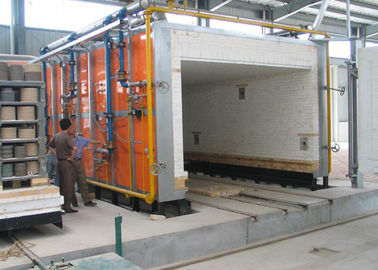
Η επένδυση σε έναν Βιομηχανικό φούρνο γυαλιού ανόπτησης με ανύψωση πυθμένα 1000°C αντιπροσωπεύει σημαντική κεφαλαιουχική δαπάνη. Για να αποφευχθούν δαπανηρές παραλείψεις, οι διευθυντές προμηθειών πρέπει να υπερβούν τις προδιαγραφές των φυλλαδίων και να κάνουν αυτές τις επτά ερωτήσεις που διερευνούν τον προμηθευτή.
Ε1: Ποια είναι η μέγιστη θερμοκρασία του ίδιου του μηχανισμού ανύψωσης πυθμένα;
-
Γιατί: Φθηνότερες σχεδιάσεις χρησιμοποιούν τυπικά κιβώτια ταχυτήτων που αποτυγχάνουν πάνω από 200°C. Οι οδηγοί ανύψωσης της εστίας και οι κοχλίες πρέπει να είναι θωρακισμένοι ή ψυχόμενοι με νερό για να αντέχουν τα 1000°C που ακτινοβολούν προς τα κάτω.
-
Καλή απάντηση: Οδηγοί από ανοξείδωτο χάλυβα ψυχόμενοι με νερό με θερμικό διάκενο και γράσο ρουλεμάν υψηλής θερμοκρασίας.
Ε2: Μπορείτε να παρέχετε έναν χάρτη θερμικής ομοιομορφίας στους 1000°C;
-
Γιατί: Πολλοί φούρνοι “1000°C” επιτυγχάνουν αυτή τη θερμοκρασία μόνο σε ένα θερμοστοιχείο. Η ανόπτηση γυαλιού απαιτεί προφίλ εννέα σημείων (ASTM E220) ή δεκαέξι σημείων.
-
Αίτημα: Μια αναφορά που δείχνει διακύμανση όχι μεγαλύτερη από ±8°C σε ολόκληρη την ωφέλιμη επιφάνεια της εστίας στο σημείο ρύθμισης.
Ε3: Τι τύπο θερμαντικών στοιχείων και πόσες ζώνες;
-
Γιατί: Κάτω από τους 850°C, το σύρμα FeCrAl είναι εντάξει. Για τους 1000°C, μόνο SiC ή MoSi2. Ο έλεγχος μίας ζώνης δημιουργεί καυτά σημεία.
-
Ιδανική προδιαγραφή: Τρεις ανεξάρτητες ζώνες (αριστερά-κέντρο-δεξιά) ή έξι ζώνες με έλεγχο ισχύος SCR.
Ε4: Πώς διατηρείται η στεγανότητα εστίας-θαλάμου μετά τη θερμική διαστολή;
-
Γιατί: >Καθώς η εστία από πυρίμαχο υλικό διαστέλλεται σε θερμοκρασία, μπορούν να σχηματιστούν κενά, εισάγοντας κρύο αέρα και οξειδώνοντας το γυαλί.
-
Λύση: Στεγανωτικό σχοινί από κεραμικές ίνες με μηχανισμό συμπίεσης με ελατήριο που διατηρεί την επαφή ακόμη και μετά από 100 κύκλους θέρμανσης.
Ε5: Ποιος είναι ο μέγιστος ρυθμός ψύξης μέσω ελεγχόμενης ατμόσφαιρας;
-
Γιατί: >Για κύκλους κρυστάλλωσης, μπορεί να χρειαστείτε ψύξη με εξαναγκασμό 10°C/min. Η ελεύθερη ψύξη μπορεί να είναι μόνο 2°C/min.
-
Ρωτήστε: Ο φούρνος περιλαμβάνει ανεμιστήρες ψύξης πυθμένα και πλευρικούς; Μπορούν να προγραμματιστούν στη συνταγή;
Ε6: Πόσο εύκολη είναι η αντικατάσταση των στοιχείων;
-
Γιατί: >Τα στοιχεία SiC υποβαθμίζονται κάθε 12-18 μήνες. Σε έναν φούρνο με άνω φόρτωση, η αντικατάσταση είναι ένα έργο αποσυναρμολόγησης δύο ημερών.
-
Πλεονέκτημα προμηθευτή: >Μια σχεδίαση με ανύψωση πυθμένα θα πρέπει να επιτρέπει γρήγορη πρόσβαση από τον ανοιχτό πυθμένα του θαλάμου ή από συρόμενες πλευρικές θύρες χωρίς να αποσυναρμολογείται η μόνωση.
Ε7: Τι λογισμικό ελέγχου περιλαμβάνεται;
Προειδοποίηση Συνολικού Κόστους Ιδιοκτησίας (TCO)
Ο φθηνότερος φούρνος μπορεί να έχει μη μονωμένους κινητήρες ανύψωσης, έλεγχο μίας ζώνης και θερμοστοιχεία Τύπου Κ (που αποκλίνουν πάνω από 900°C). Θα ξοδέψετε περισσότερα σε επαναβαθμονόμηση και απορριφθέντα φορτία τον πρώτο χρόνο από τη διαφορά τιμής αγοράς. Ένας premium φούρνος ανύψωσης πυθμένα 1000°C ξεκινά από 38.000 για μονάδα 1 ft³ και38,000μιαμιαμftάδα1ft³και
85.000 για βιομηχανικές μονάδες 10 ft³. Αναμένετε διάρκεια ζωής 10 ετών με σωστή συντήρηση.
Τελική Σύσταση


 Το μήνυμά σας πρέπει να αποτελείται από 20-3.000 χαρακτήρες!